Trying the poetry challenge from Colleen M. Chesebro
A Senryu is essentially a Haiku, but instead of being about Nature it is about human nature.
I fixate on you
As if you are in the room
Instead of my phone
Trying the poetry challenge from Colleen M. Chesebro
A Senryu is essentially a Haiku, but instead of being about Nature it is about human nature.
I fixate on you As if you are in the room Instead of my phone

How exciting to participate in a radio show! I was able to read the poem that will be in the collection Hidden in Childhood. Thank you to Gabriela Marie Milton for this amazing opportunity! Great poets and great poems 🙂
I’ve reached another milestone on my publishing journey!

Four-hundred books! (That felt good to write out.)
Strangely, I have to force myself to celebrate this accomplishment. Part of the problem is that my publishing dreams have been so huge since I was a child, that it is hard for any reality to measure up.
What I’ve been doing is imagining them stacked up in forty piles of ten. Picturing this gives a geometry, a mass to what it means to have this many books out in the public.
This has been followed by, I think, a better visualization: 400 people actually owning and reading my book. That was what the dream was always about, if I strip away fantasies of amazing stardom and best-selling status.
People reading my words. What I have always wanted. What I am finally achieving.
Need a copy? Buy yours here: Tao of Thoreau – just 2.99 Kindle and 4.99 paperback.
Two of my favorites: ruins and waterfalls. I’ve always loved ruins, whether they are colonial like this or ancient and magnificent like in Italy. There is an echo of the past, evidence of labor and construction, and the ghostlike essence of those who once lived and worked in a place that is now abandoned.
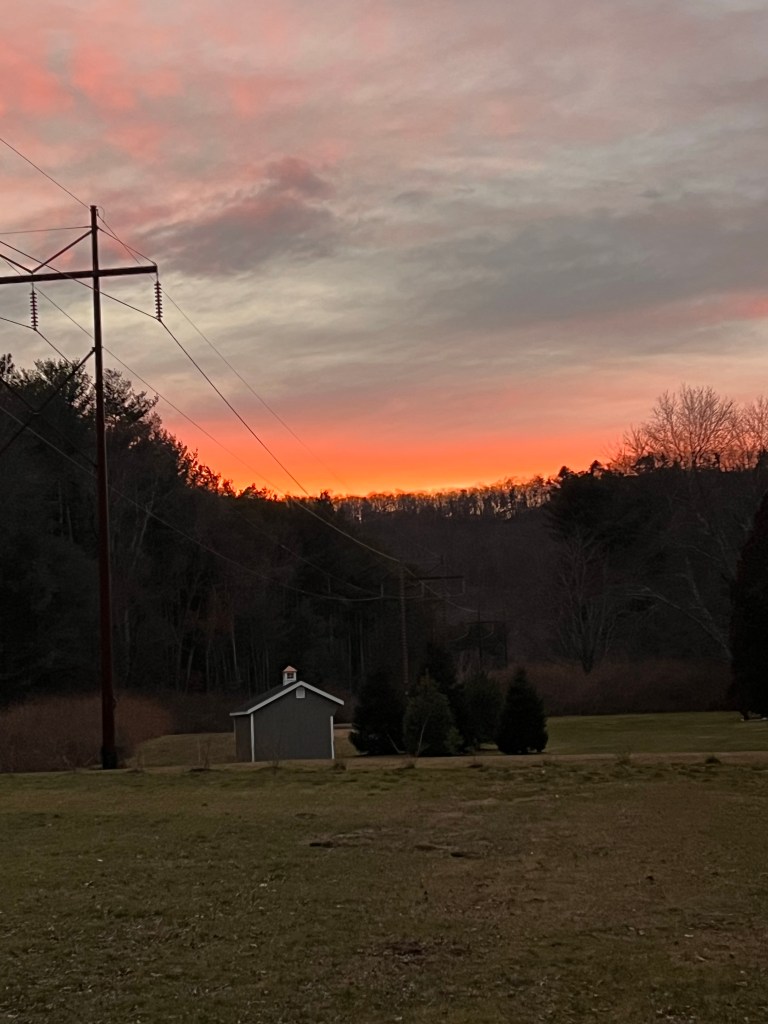
When it comes to waterfalls I am not picky. I’ve seen some gigantic ones, and they are awesome, but I’ll take any size any time.
There is a magic to them, and I enjoy water rushing, falling, noisy flowing.
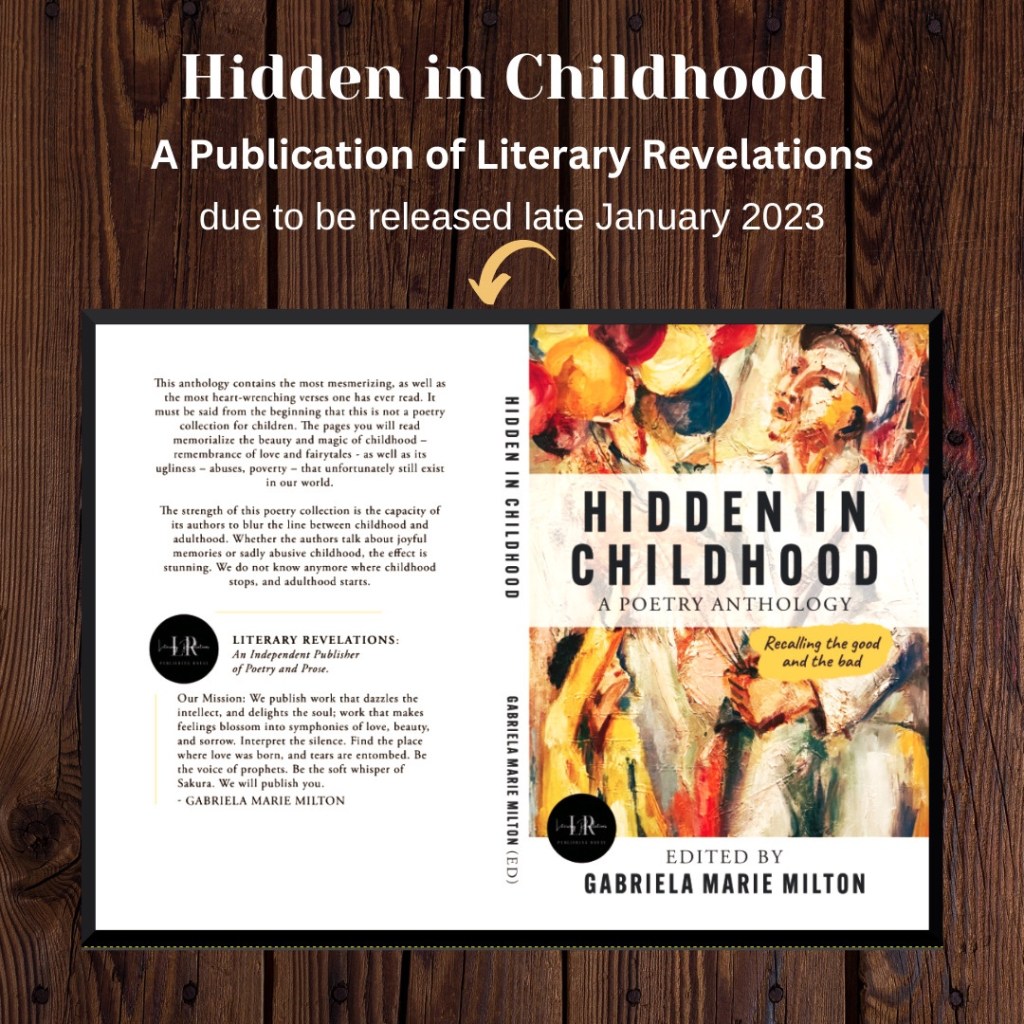
Updated cover for the anthology that my poem ‘Self of Steam’ will be published in.
I wrote yesterday about the review I received about my book Tao of Thoreau. Here’s a little more from the review:
Voice and Writing Style: The author’s writing here is good, succinct, and sets forward his premise clearly, without fuss. He has produced a simple little volume in good form.
I like this one because it reflects exactly what I was going for – succinct, clear and readable. I actually take it as a complement that the reviewer uses the word “simple”. A lot of my effort was taking deep and complicated ideas and presenting them in a readable format that is accessible to anyone. And Thoreau did encourage us to simplify.
The Tao Te Ching was an excellent model. It’s a remarkable book, with transcendent ideas presented simply. Yet, upon reflection, the ideas are incredibly deep, universal and comprehensive. If my book reflects even a small part of this aspect, I was successful.
I entered Tao of Thoreau into a contest for self-published non-fiction. Although it didn’t win, I did receive a review from one of the judges.
Of course, I was apprehensive, seeing as my book didn’t make the cut. However, the review was very positive, and was yet another boost along this journey.
Here is a sample:
Topic Appeal: The author has found a quite unique topic in seeing Thoreau firstly for what he was, a Transcendentalist—therefore, in actuality a Taoist. The BBC says Taoism is deeply rooted in Chinese customs and worldview, whereas Google tells us Transcendentalism comes out of America’s early New England region. The author here shows us that these two philosophies, in reality, share similar views, a useful point of view.
First, I love that the reviewer is clearly British. This probably means this person has little knowledge of Thoreau, which I actually like because the book has to stand on its own merits and not rely on the reviewer’s knowledge.
My favorite piece of this section is the final five words “a useful point of view.” Though this isn’t exactly high praise, I find it valuable. It is some confirmation that the idea I had to compare these two philosophies is a good one. I mean, I certainly believed it, but it is good to have outside confirmation.

Sometimes I like my old journal entries even though I have no idea what it refers to anymore.
 Mark Bozeman